


In 2026, I’m seeing a clear shift in how German players move money in and out of online gaming platforms. Cryptocurrency payments aren’t a niche “tech hobby” anymore—they’ve become a practical payment option for people who value speed, modern security standards, and more control over their transactions. At the same time, Germany’s regulated iGaming environment has matured, and that combination (demand + regulation) is pushing operators to offer cleaner, more transparent crypto payment flows.
What’s changed most in the German market is the mindset. Players who used to default to SEPA transfers, credit cards, or e-wallets are now comparing crypto deposit times, network fees, and confirmation speeds the same way they compare bonus terms. In 2026, crypto isn’t just a “payment method”; it’s part of a broader reshaping of the German iGaming experience—especially for players who want fast withdrawals and fewer middlemen.
Germany’s iGaming sector in 2026 sits at the intersection of strong consumer protection expectations and rapidly evolving payment technology. I’ve noticed that the rise of crypto payments is driven by three forces: players wanting faster cash flow, operators seeking more efficient processing, and regulators demanding clearer compliance and responsible gaming controls.
On the player side, the appeal is straightforward: crypto transactions can be processed around the clock, without waiting for banking hours, and they often settle faster than traditional rails. On the operator side, crypto reduces friction in payment acceptance and can simplify cross-border payment logistics (while still requiring strict compliance). And on the regulatory side, Germany’s framework encourages licensed, transparent models—meaning reputable platforms focus on robust KYC/AML, verifiable transaction trails, and responsible gaming measures even when crypto is involved.
When German players talk about “paying with crypto” in online gaming, they usually mean one of two things: depositing directly from a personal wallet to an operator-provided address, or using a payment processor that converts crypto to fiat behind the scenes. Both approaches can work, but they feel different in practice. Direct wallet payments give more self-custody control, while processor-based flows can feel closer to a traditional checkout.
In 2026, the most common coins used in gaming are still the established networks—mainly because they’re widely supported, familiar, and have high liquidity. But I’m also seeing growing interest in faster, lower-fee networks, plus stablecoins for players who don’t want their deposit value swinging during a session.
Here are the cryptocurrencies I most often see German players using in iGaming in 2026, with the practical pros and cons that actually matter at checkout and during withdrawals:
From a German player’s perspective, the “best” coin is rarely about ideology. It’s about whether the operator supports it reliably, whether fees stay reasonable, and how quickly funds show up—especially for withdrawals.
In 2026, I see stablecoins becoming the practical default for many players who want predictable bankroll management. The big difference is simple:
For short sessions and straightforward deposits/withdrawals, stablecoins often feel more like a “payment tool.” For longer-term holders who already keep crypto, volatile coins can be convenient because they avoid conversion steps—but they add market risk to a gaming activity that already has variance.
Germany’s iGaming rules in 2026 continue to be shaped by the Glücksspielstaatsvertrag (Interstate Treaty on Gambling) and the broader compliance environment that surrounds regulated operators. While the details of how any single platform implements crypto can differ, the direction is consistent: crypto acceptance does not remove the requirement for player protection, identity verification, and anti-money-laundering controls.
In practical terms, that means any crypto-friendly German-facing operator that wants to be taken seriously needs clear licensing alignment, documented procedures for KYC/AML, and transparent transaction monitoring. Crypto payments are not “anonymous magic”; in a compliant environment, they’re typically handled in a way that still links activity to verified player accounts and responsible gaming limits.
As a player, I treat this as a filter: if a platform markets crypto as a way to bypass rules, that’s a red flag. In the German market of 2026, the healthier trend is crypto being integrated into regulated workflows—so players get modern payment rails without sacrificing legal clarity.
When I walk someone through a crypto deposit or withdrawal on a German-facing gaming platform, I keep it simple and process-focused. Most issues happen because players rush the basics: choosing the wrong network, copying the wrong address, or skipping required verification steps.
A typical crypto deposit looks like this:
A typical crypto withdrawal looks like this:
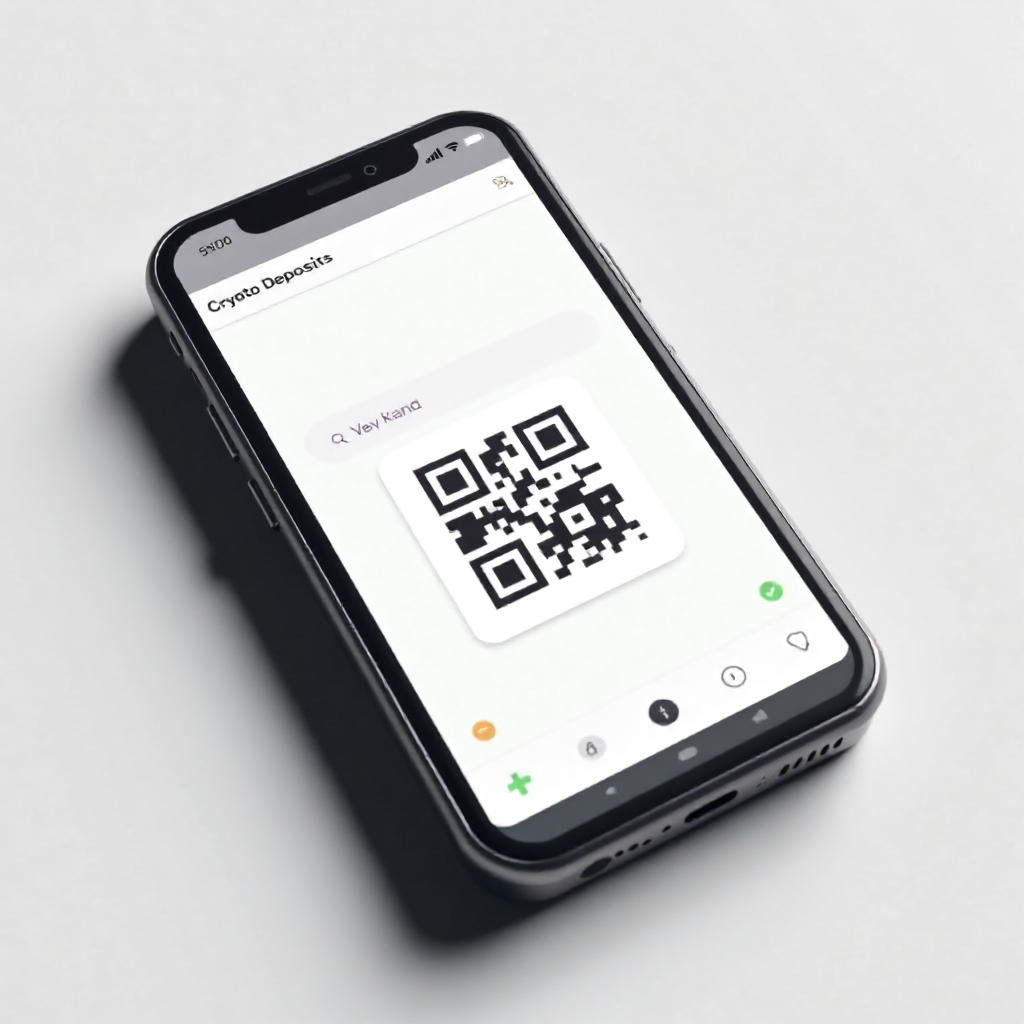
In my experience, the smoothest transactions come from players who match coin/network correctly and who use 2FA plus withdrawal address whitelisting whenever it’s available.
If you’re gaming with crypto in Germany in 2026, the wallet you choose is part of your security posture. I separate wallets into two practical categories:
My rule of thumb is: keep only what you plan to use for gaming in a hot wallet, and store the rest cold. Also, in 2026, basic hygiene is non-negotiable: strong device security, unique passwords, 2FA, and never sharing seed phrases. If a “support agent” asks for your seed phrase, it’s a scam—every time.
Crypto payments are reshaping German iGaming in 2026 because they solve real friction points—especially around transaction speed and control. Here are the advantages I see players benefit from most:
That international influence is real. I’ve watched features like multi-coin cashier options, faster on-chain withdrawals, and streamlined wallet-based onboarding become more common globally first, then gradually appear in German-facing experiences. A good example of where innovation often gets tested early is the Canadian market; browsing resources and comparisons around crypto casinos canada can give you a sense of which crypto cashier features are becoming standard—and which ones German operators are now adopting in 2026 to stay competitive while meeting stricter compliance expectations.
Crypto payments bring advantages, but in 2026 I’m equally cautious about the risks—because the downsides tend to be sharper and less forgiving than with traditional payment methods.
My best risk-management advice is boring but effective: use reputable wallets, enable 2FA everywhere, keep your gaming balance limited, verify URLs, and treat “too good to be true” offers as a warning sign—especially in crypto-first environments.
Tax treatment can get complicated quickly, so I always suggest German players treat this as a serious part of “payment method choice” in 2026, not an afterthought. Even when a casino balance is displayed in crypto, you may still have reporting obligations depending on how transactions are structured, whether gains are realized, and how your activity is classified.
Practically, what helps most is keeping clean records:
I’m not your tax advisor, but I am careful about one thing: if you’re using crypto in iGaming in Germany in 2026, assume you may need to justify where funds came from and how values were calculated. When in doubt, I recommend speaking with a qualified German tax professional who understands digital assets.
Looking beyond 2026, I expect crypto payments to become less of a “headline feature” and more of an embedded standard—provided the regulatory and compliance tooling keeps pace. The direction I’m watching includes:
If Germany continues balancing innovation with strict consumer protections, it can position itself as one of Europe’s most credible environments for crypto-friendly iGaming—one where modern payment methods are available without turning the market into a free-for-all.
In 2026, cryptocurrency payment methods are genuinely reshaping the German iGaming landscape—not because they’re trendy, but because they address real needs: faster settlement, flexible wallets, and modern transaction rails. At the same time, crypto changes the risk profile for players. Mistakes can be irreversible, scams are real, and compliance expectations don’t disappear just because you’re paying on-chain.
If you’re considering crypto for online gaming in Germany, my practical checklist is: pick a widely supported coin (or a stablecoin if you want predictability), confirm the correct network every time, use a secure wallet setup with 2FA, stick to properly licensed and compliance-forward platforms, and keep clear records for tax and verification purposes. Used thoughtfully, crypto can be a powerful payment option in German iGaming in 2026—one that rewards careful, informed players who prioritize security and responsible gaming.